


As the mercury rises, Australians love nothing more than heading outdoors to embrace the warmer days and nights. But with our own backyard experiencing some of the highest UV radiation levels in the world, keeping your skin safe and protected isn’t always easy. Thankfully, understanding how best to best support and safeguard your skin now before temperatures start to soar, can make all the difference.
The impact of the Australian sun
Unfortunately, Australia has one of the highest rates of skin cancer around the world. In 2023, more than 18,200 Aussies alone were estimated to have been diagnosed with melanoma. One of the biggest causes of skin cancer comes from UV damage, which can also cause sunburn, premature aging and even eye damage. What’s more, with a particularly intense UV environment most times of the year, Australians are exposed to significant UV radiation even on cloudy days. Thankfully, there are many things we can do to prevent skin cancer and damage to our skin itself.
Sun protection
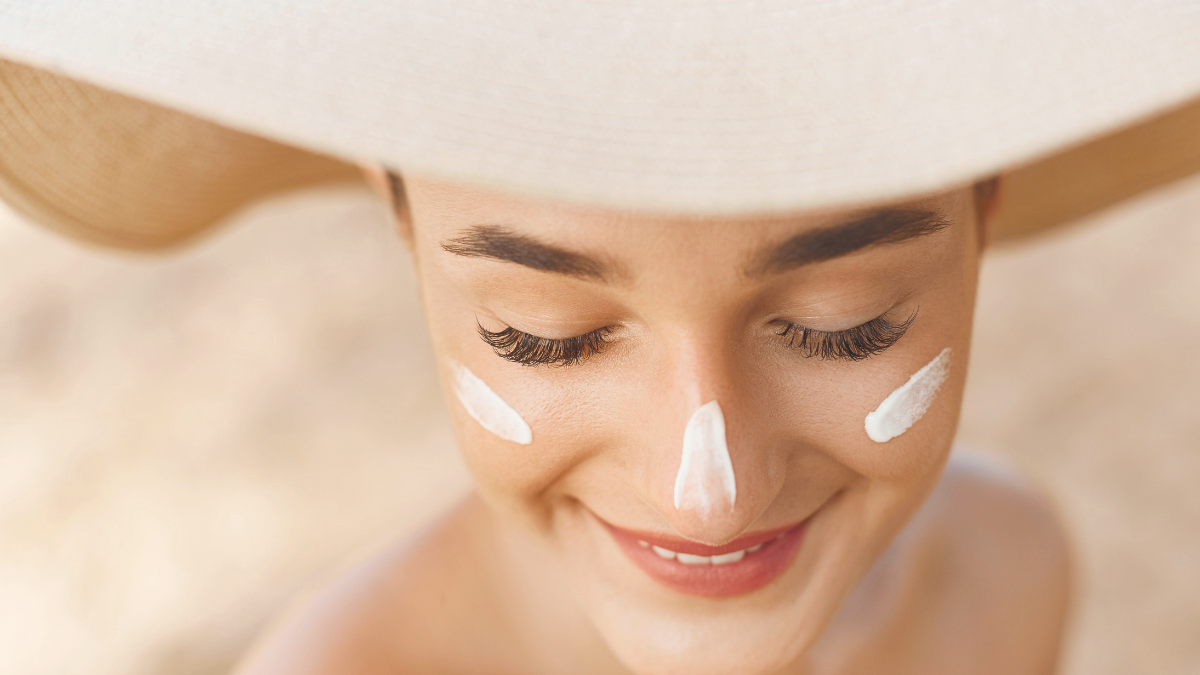
Sun protection is recommended whenever the UV levels reach three or higher. While many people want to get their daily dose of rays to boost their Vitamin D levels – even just a few minutes of sun exposure when levels are 3 or higher is enough. If you need to head outdoors during peak UV time, make clothing your first line of sun defence. Choose clothes that cover as much skin as possible, such as collared shirts or longer sleeves. For any areas of your skin that aren’t covered by clothing, aim to apply a generous amount of SPF 50 or SPF50+ sunscreen at least 20 minutes before heading outside. Importantly, sunscreen isn’t the first or only line of defence you have for your skin – it’s just one of many sun protection measures you should use.
Smart timing
UV radiation from the sun is strongest during the middle part of the day, between 10am and 4pm. Plan any outdoor activities or exercise for early in the morning or late afternoon where possible. If you do have to be outside during peak hours, seek shade at every opportunity, and remember that UV rays can reflect off water, sand, and the pavement – so shade alone is not adequate protection for your skin.
Understanding photoaging
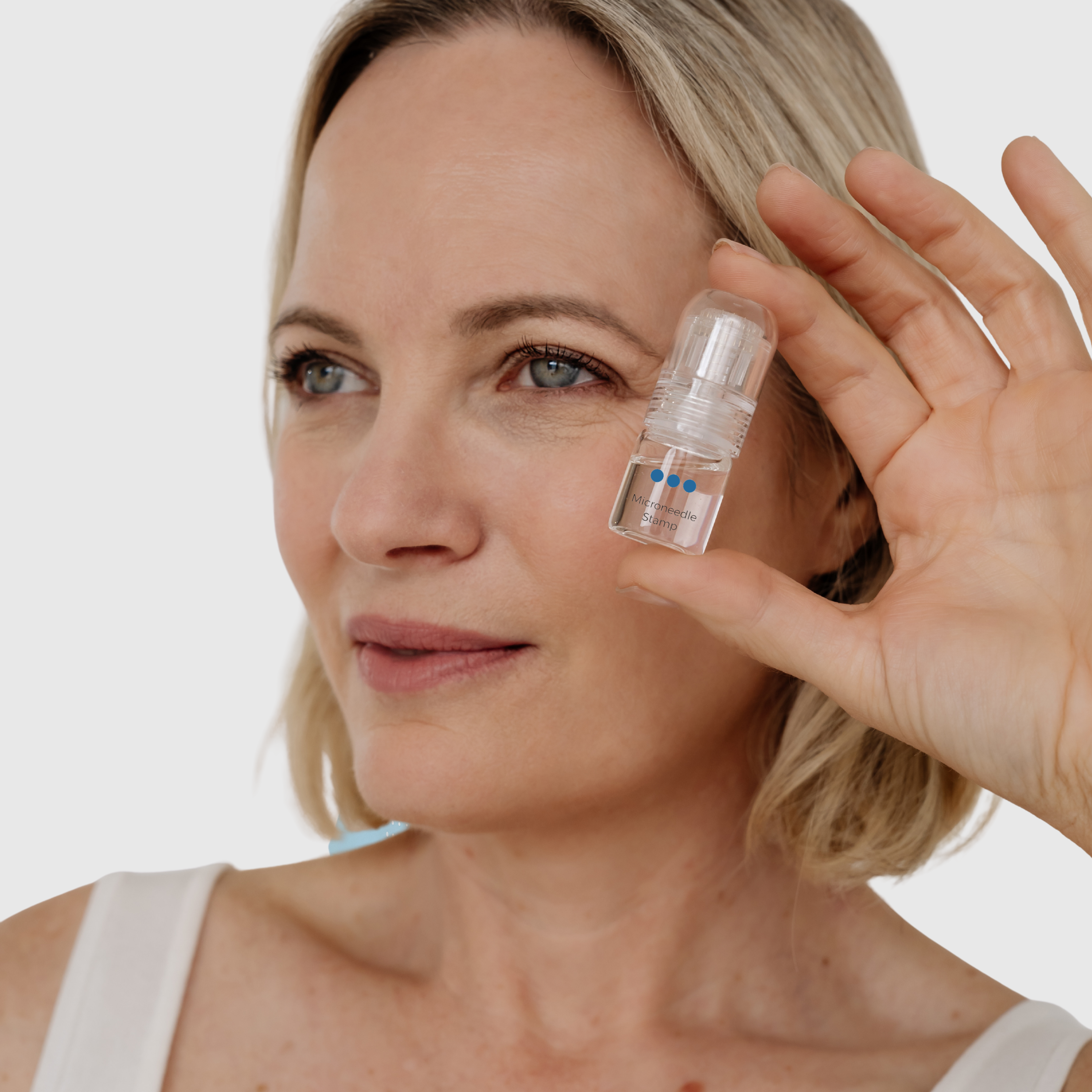
While sunburn is the most obvious sign you’ve been exposed to too much sun, photoaging takes place beneath the surface and often goes unnoticed at first. As the heat itself doesn’t impact the strength of UV rays, you can actually experience skin damage even when it doesn’t feel too hot outside. UV radiation triggers a number of damaging processes in your skin, including damaging collagen fibres and causing abnormal elastin production. This can further lead to visible signs of aging such as uneven texture, age spots, deep wrinkles and more. This is why it’s important to protect your skin all-year round, not just during the warmer months.
Turning up the heat
While UV radiation can happen at any time of year, no matter how hot it is, we still need to remember that heat itself can accelerate skin damage. Prolonged exposure to heat, UV rays, and free radicals on your skin can accelerate visible signs of skin damage. What’s more, high humidity compounds these issues by compromising the skin barrier and potentially worsening conditions like hyperpigmentation.
Stay consistent
Like most things in life, consistency is key when it comes to sun protection. It’s not just for days at the beach – think of your sun safety routine as something to be done each day, just like brushing your teeth. Aim to use a broad-spectrum SPF50+ applied generously and reapplied regularly, choose protective clothing and accessories (like hats and sunglasses), avoid peak UV hours, and support your skin with antioxidant-rich nutrition as well as adequate hydration. Remember, your skin actually has an amazing capacity to regenerate with the right support.
Recovery routine
Your skin does most of its intensive repair work at night. Before bed, support your skin as best possible by removing the sunscreen, sweat, and any makeup worn during the day with a gentle cleanser. Vitamin C can repair existing skin damage, stimulate collagen production and is an antioxidant, so consider applying this before you head to sleep. If you’re struggling with dark spots, niacinamide may work to minimise hyperpigmentation, while retinoids can often accelerate cell turnover, fade hyperpigmentation and stimulate collagen production. Just be mindful to start with a lower concentration if you’re new to retinoids and always use them in the evening as they increase sensitivity to the sun. Finally, look for products that hydrate the skin – those with hyaluronic acid, peptides, squalane and ceramides to support collagen repair and lock-in moisture.