

Skip to content

THE BEAUTY TECH EXPERTS

FREE SHIPPING ON ALL ORDERS

BUNDLE AND SAVE 20%

BUY NOW PAY LATER - AFTERPAY AVAILABLE

Skin

How to Achieve Glowing Skin using an LED Light Therapy Mask

How to Achieve Glowing Skin using an LED Light Therapy Mask

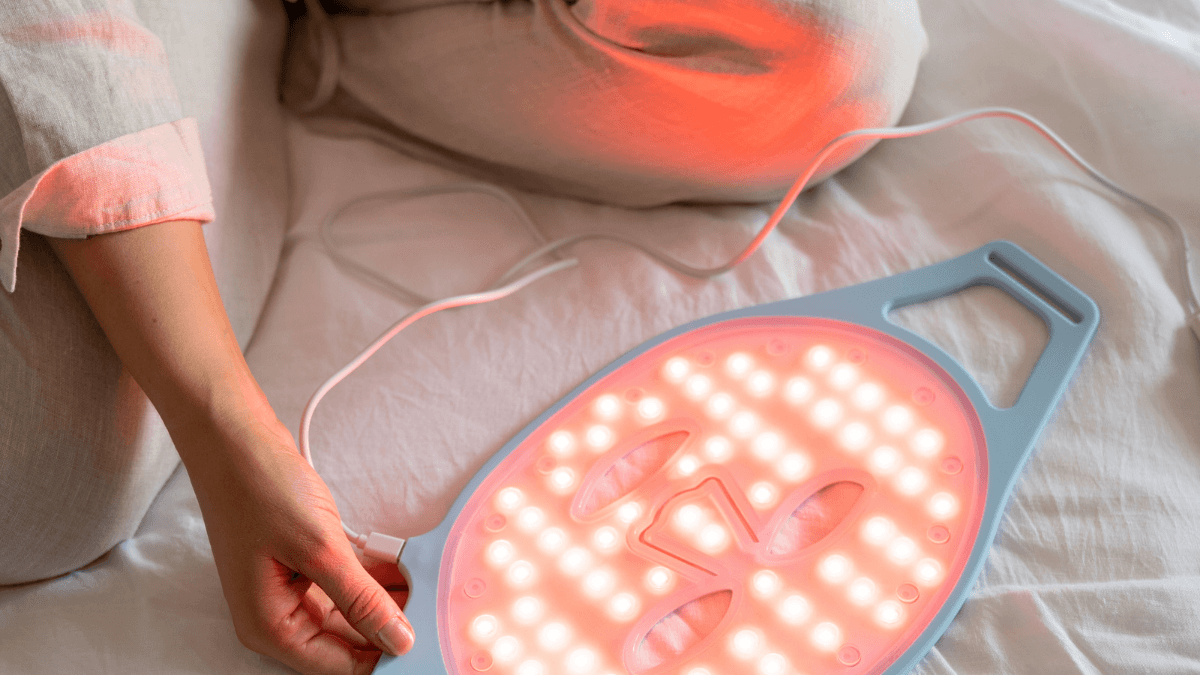
If you’re wondering how to achieve glowing skin using an LED light therapy mask, the answer goes far beyond surface level products. Glowing skin isn’t just about highlighter or hydration; it’s about having healthy skin underneath at a cellular level. True glow comes from collagen production, efficient cell turnover, balanced oil flow, reduced inflammation and healthy oxygenation of the skin.  In this guide, we’ll break down how LED face masks work, why they create such amazing glow, and exactly how to use one for maximum results.   Why glowing skin is really about skin health. Most people think glowing skin comes from exfoliation, illuminating primers or heavy and thick hydration but that's not the case. These methods will create a temporary brightening of the skin, but they don’t always address the root cause of dullness. Skin loses radiance due to slower collagen production which starts to happen from age 30+, inflammation and redness, impaired skin barrier and environmental stresses. When collagen declines and oxygenation slows, the skin’s surface becomes uneven and less radiant which is why improving skin health at a deeper level is key to achieving glowing skin long term.    Why an LED Face Mask Helps You Glow LED or light emitting diode, therapy is a well established popular pain free, non-invasive skin treatment that stimulates your skin’s natural healing process to repair the skin. LED treatments improve skin health at a cellular level rather than just enhancing the surface of the skin by delivering targeted light wavelengths that penetrate the skin and stimulate the natural processes responsible for collagen production, circulation and repair. When all these systems work together, your skin can only glow!   How to Use an LED Face Mask for Glowing Skin Consistency is key. Think of LED like a gym workout for your skin and results build over time. Step 1: Cleanse thoroughly - Use the mask on clean, dry skin for optimal light penetration. Step 2: Use 3–4 times per week - Each session should last 10 minutes.  Step 3: Apply supportive skincare after treatment - Hydrating serums, peptides and barrier-supporting products work beautifully post-LED. Step 4: Maintain your results - After 6-8 weeks of consistent use and your glow has improved, reduce to 2 sessions per week for maintenance.   When Will You See Results? It is common to notice a subtle glow immediately due to increased blood flow and circulation, but most visible improvements appear over time as your results build weekly.  2–4 weeks you will see a brighter skin tone and smoother texture. 6–12 weeks you will see firmer and more radiance skin.   The Bottom Line If you’ve been asking how to get glowing skin with an LED light therapy mask, the answer is simple: support your skin at a cellular level, consistently.  Radiance is not about adding more products, it’s about improving your skin's function and with regular LED facial sessions, that glow becomes your everyday reality.

Learn more
Red led light therapy

How Red LED Light therapy can Transform your Skin

We’re tackling your common skin concerns and diving into the many ways red light therapy can address the issues you’re struggling with most. Whether you’re looking to reduce the appearance of wrinkles and fine lines, treat an eczema flare, or win the battle of the dark spots with hyperpigmentation – red light therapy might just be the solution you’re looking for. In delivering specific wavelengths of light to your face, which stimulate a range of cellular processes deep within your skin, red light therapy can give your skin cells a gentle boost that increases collagen production and assists in the healing process. Wrinkles and fine linesResearch shows that red light therapy can smooth the skin and help reduce the appearance of wrinkles by stimulating collagen production. This is particularly helpful for aging skin as it helps to improve skin elasticity while acting as preventative measure against future wrinkles and lines. Importantly, red light therapy can often do all of this without creating any cellular damage that you might experience with more intense treatments.  Eczema and inflammatory skin conditions If you’re already dealing with conditions such as eczema, psoriasis, or inflammation of your skin, red light therapy can provide a gentler treatment option for those needing a softer approach. With consistent use, you may experience subtle but noticeable improvements in psoriasis, rosacea and eczema with consistent use. This comes to life through the anti-inflammatory effects of the treatment, which can change your skin’s immune response at a cellular level. Hyperpigmentation – an ongoing challenge While red light therapy might be appropriate for a range of skin conditions, when it comes to hyperpigmentation – things get a little more nuanced. You may need to take a more considered approach here as research shows people with darker skin tones are more sensitive to red light. This can lead to increased hyperpigmentation in some instances. When used correctly however, red light therapy should be able to help with specific types of pigmentation concerns, particularly inflammatory-related pigmentation as opposed to sun damage or melasma. Acne – the other spots Is your skin prone to breakouts? Red light therapy might change that. The anti-inflammatory benefits of red-light therapy help to release cytokines from macrophages and other cells that reduce inflammation. What makes this type of treatment particularly useful for those suffering from acne-prone skin is how gentle it can be while still supporting your skin to heal. There’s no need for topical treatments that lead to dryness or irritation – instead red-light therapy does the heavy lifting without compromising the skin barrier. It can even improve the texture of your skin and reduce the appearance of acne scars thanks to its collagen-promoting qualities.  On the right wavelength While it might seem logical to assume higher wavelengths or red light produce better results, it’s important to remember that not all red light devices are created equal. Research has shown that 660nm wavelengths produce different (and more long-lasting) results to 980 nm. For the optimal results, aim for 600-700 nm of red light, which provides consistent light with a high capacity to penetrate the skin. Best of all, this is a treatment can be used daily from the comfort of home. Think of it as a long-term approach to skin care, not just a quick fix.  Finding your rhythm While red-light therapy can be used daily, it’s still important to figure out what feels right for you and your skin. If you’re prone to sensitivity, you may want to consider starting slowly with shorter or less-frequent sessions. If you often experience redness or irritation, keep an eye on how your skin responds to each session and adjust accordingly. For those dealing with aging skin concerns such as deeper lines or loss of elasticity, you may need longer treatment periods to see those initial results. Remember, red light therapy isn’t necessarily a one-size-fits all approach to skin concerns – your age, skin type and skin concerns all play a role in how well you’re respond to treatment, whether at home or in-clinic. By giving your red light therapy a chance to work its magic and finding your own sweet spot – you can better support your skin’s natural aging and healing process over time.

Learn more
Rosacea Relief: Can LED Light Therapy Help?

Rosacea Relief: Can LED Light Therapy Help?

Rosacea is a skin condition characterised by redness, flushing, and visible blood vessels. It affects millions of people worldwide and managing its symptoms and flare-ups can be a challenging journey.

Learn more
Red light therapy done right

Red light therapy done right

Red light therapy done right, the common myths, latest research, and true power of consistent red light therapy use. Promising everything from younger looking skin to faster muscle recovery, red light therapy has become THE go-to self-care ritual for many. But with its rise in popularity has come a number of questions, myths, and even misunderstandings. We’re breaking down all the key information you need to know including what red light therapy actually is, what the science says, and how best to use it. Let’s start with the basics. Red light therapy (RLT) exposes skin to specific wavelengths of red and near-infrared light, and in doing so, stimulates cellular repair, reduces inflammation, and promotes regeneration. It energises cells in your body while initiating blood-flow to the area you’re focusing on, and this encourages the healing process to start. While red light technology itself isn’t new, it is improving every day – as is its efficacy. Not only have studies shown it can stimulate collagen and promote connective tissue turnover, RLT can penetrate into the deep tissue of the skin, providing anti-inflammatory benefits and healing effects.  Want to learn more? Keep reading. MYTH 1: Red Light Therapy Is Just A Beauty Fad False! A growing number of peer-reviewed studies and clinical trials support RLT for its use across skin rejuvenation and inflammation reduction. This is because RLT stimulates fibroblasts – the skin cells responsible for producing collagen and the protein that gives your skin its firmness and elasticity. This can help to smooth fine lines, reduce scarring and improve overall skin tone. It’s no wonder red light therapy is here to stay. MYTH 2: All RLT devices work the same False! Not all red-light therapy devices are created equal. Typically, the more bulbs your device has, the better energy distribution and consistent results you’ll see. This is particularly true if you’re comparing those in-clinic treatments at-home applications. Another factor to keep in mind? The energy output of your device. Higher-powered, devices can deliver results more quickly. Some at-home devices can mimic those in-office treatments, however lower-powered devices might need longer or more frequent sessions to be as effective. Looking for a new at-home RLT device? Make sure the model has high-bulb density and even energy distribution, like the Trudermal Glow LED Light Therapy Face Mask. MYTH 3: Red light therapy works straight away False. Sorry to break the bad news but RLT isn’t a one-and-done- answer to all your skin woes. Just like any other wellness or beauty tool, the effects of RLT take time. If you’re using your tool regularly, you might start to see noticeable improvements across skin tone, texture, and inflammation levels after a month. It’s important to consider other factors too, like the distance between your skin and the device, the angle of the beam, and how much light your skin actually reflects. All of this can impact how much energy penetrates your skin and the efficacy of each session. MYTH 4: Red light therapy is just for beauty lovers False – again! Yes, RLT has a strong reputation within the beauty space, but it’s also been tested throughout the world across a range of applications (it’s even been shown to help with hair re-growth). There are some trials that have shown red and near-infrared light can reduce pain, inflammation and tissue damage, making it a helpful addition to your management routine if you suffer from rosacea, eczema or psoriasis.   MYTH 5: Red light therapy is dangerous False – but you do want to be careful when using it – especially if you’re prone to hyperpigmentation or melasma. Red light therapy is considered safe as it’s non-invasive and doesn’t involve UV radiation but it’s vital to follow manufacturing guidelines and not overuse your device as this doesn’t always mean better results. 

Learn more